


We continued our northern Spanish journey — we left Cantabria and started looking for an interesting spot to spend the next night. And we managed quite well: this time we passed through Oviedo and Gijon (which are both definitely worth visiting) and searched for a smaller and more cosy place. This is how we found
Cudillero.
This tiny fishermen’s village in Asturias turned out to be a perfect place to stay for a night. We nicknamed it “poor Positano”, because it looked like this postcard-like Italian town in the coast of Amalfi only a bit poorer — with old and not so well preserved houses standing on a hill, with paint that peeled off in more than a few places and with the washed, worn-out clothes and old duvets hang outside on strings. But this also adds to the local atmosphere.
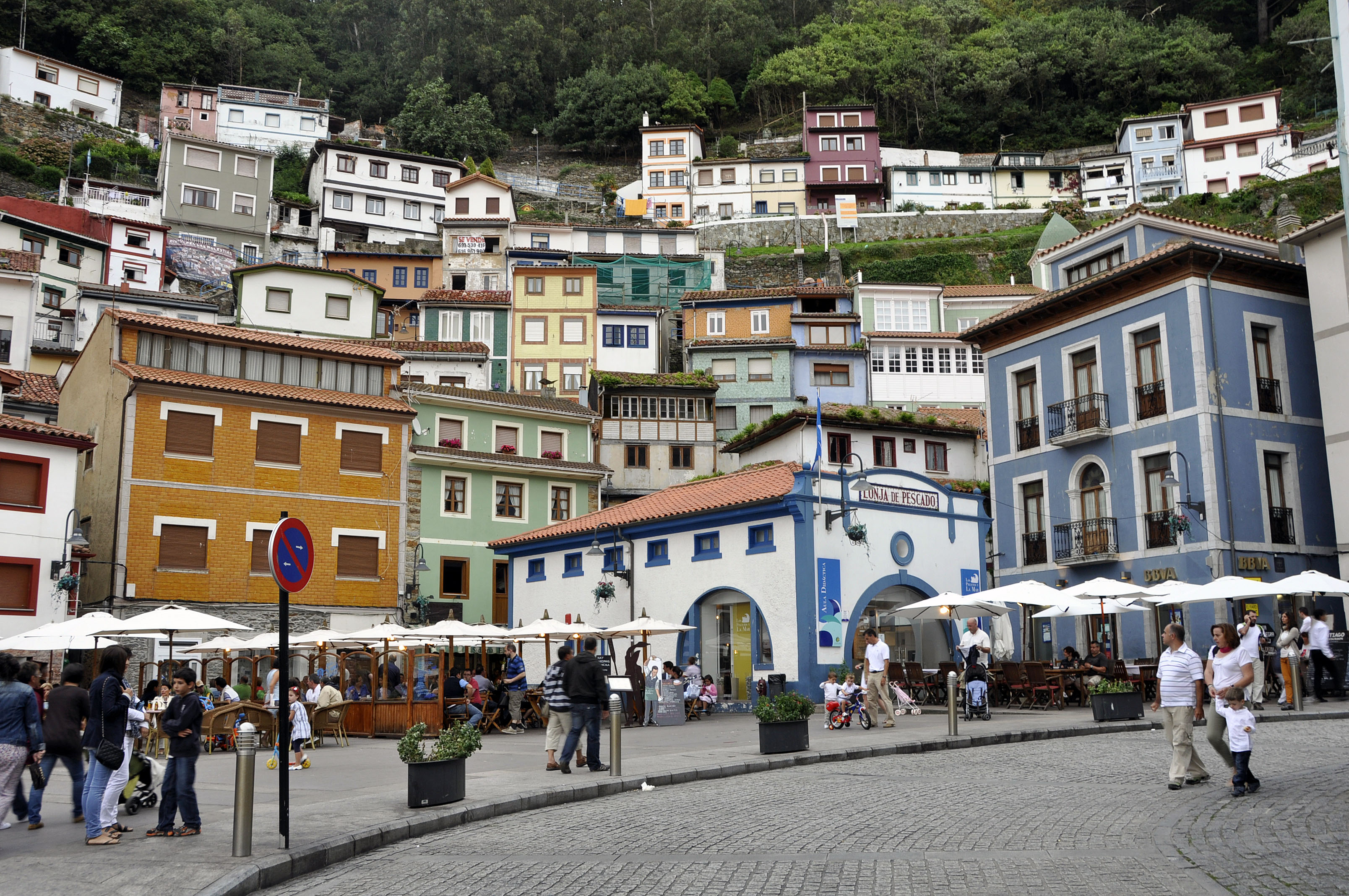
Cudillero
Feeling hungry, we decided to sit at one of the cosy restaurants in the port and , of course, have some fish and seafood tapas. This is a good way of ordering so that everyone at the table can try a bit of this and that. When you’re in Spain it is the best way or ordering food, as the portions are usually quite big and you can taste a lot of delicious things as one meal. This time we were surprised by huge portions. We went for navajas a la plancha, strongly seasoned with garlic, chipirones a la plancha (small, fried squids) and parrochas and bocartes — small fried fish, whose names in English I couldn’t find.

Navajas, parrochas, chipirones and bocartes — this is how the sea tastes
Everything was very good although, as we discovered after a while, a bit too heavy — it is easy to be wise after the event 😉 In Cudillero we also found very reasonably priced accommodation — for 69 euro we rented a two-floor apartment “Lala” comprising a living room with open kitchen, a bathroom and two bedrooms. Good price and comfort — this is how we like it! You will get all the necessary information about available accommodation in the tourist information located near the port.
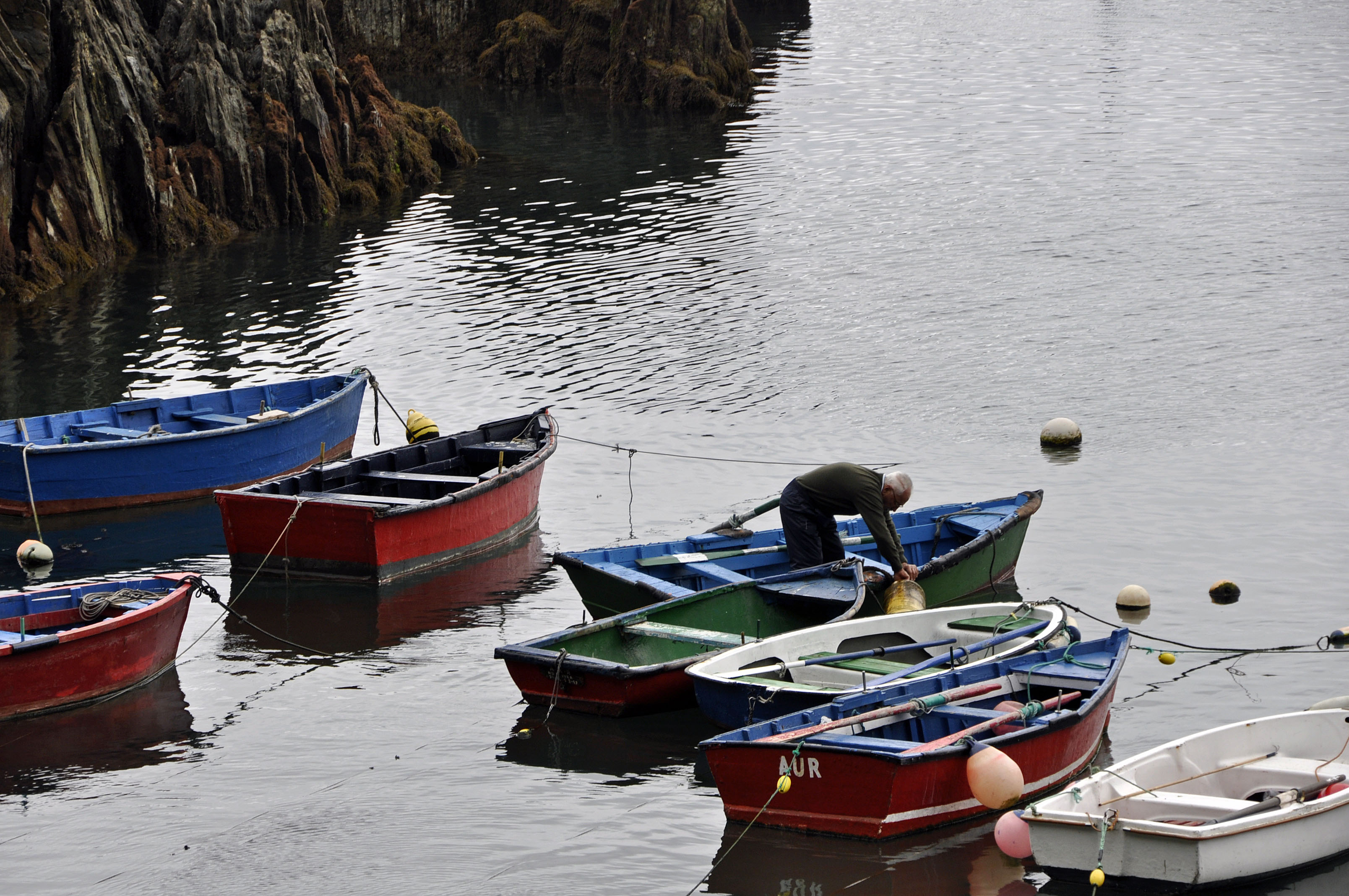
Fishermen’s boats in Cudillero
In the direction of Santiago de Compostela
The next morning, on quite a cloudy day, we decided to move on. I have to say it took us quite a while to find this one magic place to stay, but it was really worth it!
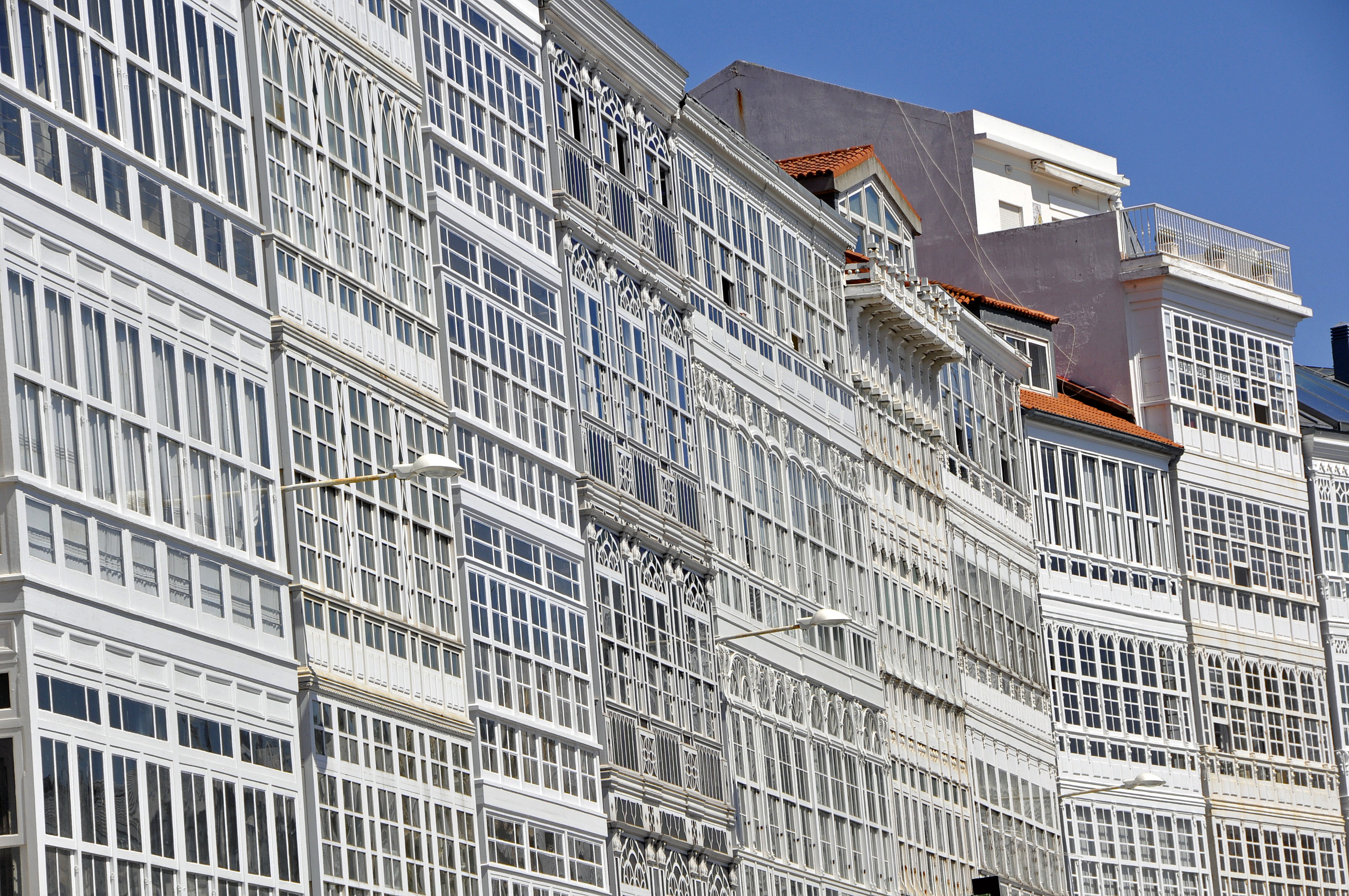
“Glass houses” in La Coruna
La Coruna didn’t really appeal to us, we passed through Betanzos, and kept looking for something better… I don’t know — maybe it was a question of lack of time, or the time of the day (siesta) but what I liked most about La Coruna was yoghurt ice-cream desserts called smooy (http://www.smooy.es/), which were just awesome, both in terms of looks and flavour 🙂 If you ever have a chance to taste them (so far available only in Spain), go for it! But let’s get back on our track: we of course stopped in Santiago de Compostela, because — let’s be honest — you can’t really be near and not visit it 🙂 The cathedral is impressive but we decided to continue our search for a place to stay. We drove through Pontevedra and Cambados, and then, purely by chance, we found ourselves in Combarro. It turned out to be a charming Galician village, where time stopped and which maintained its old style and character: houses made of stones, narrow streets, cruceiros (crosses) at intersection of the streets linking the landscape with the village’s pagan past, and numerous intriguing horreos — characteristic small stone “houses” build on pillars, which, in the past, served as food warehouses. Their construction was supposed to protect stored food from humidity and hungry mice.
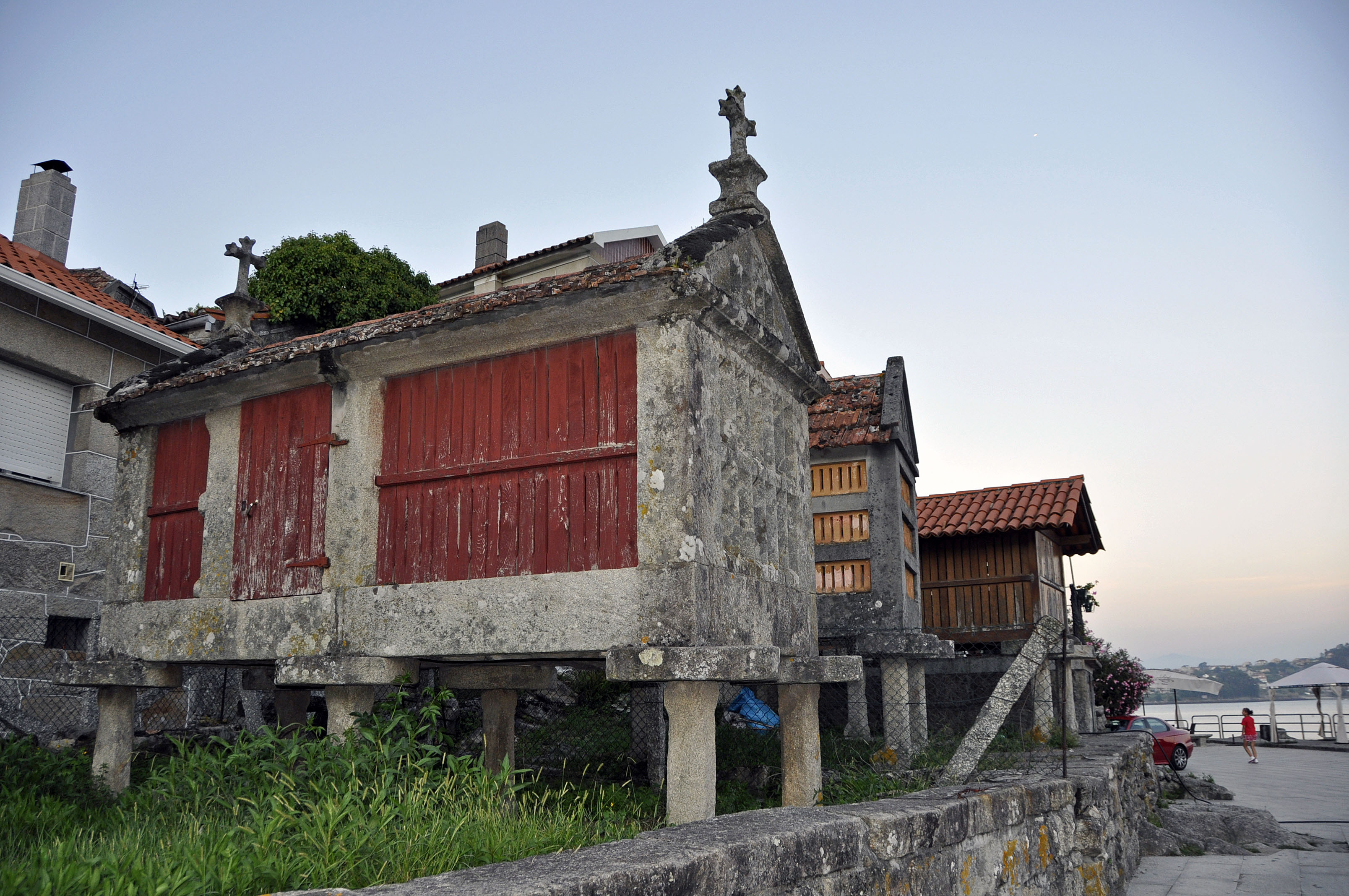
Horreos, Combarro
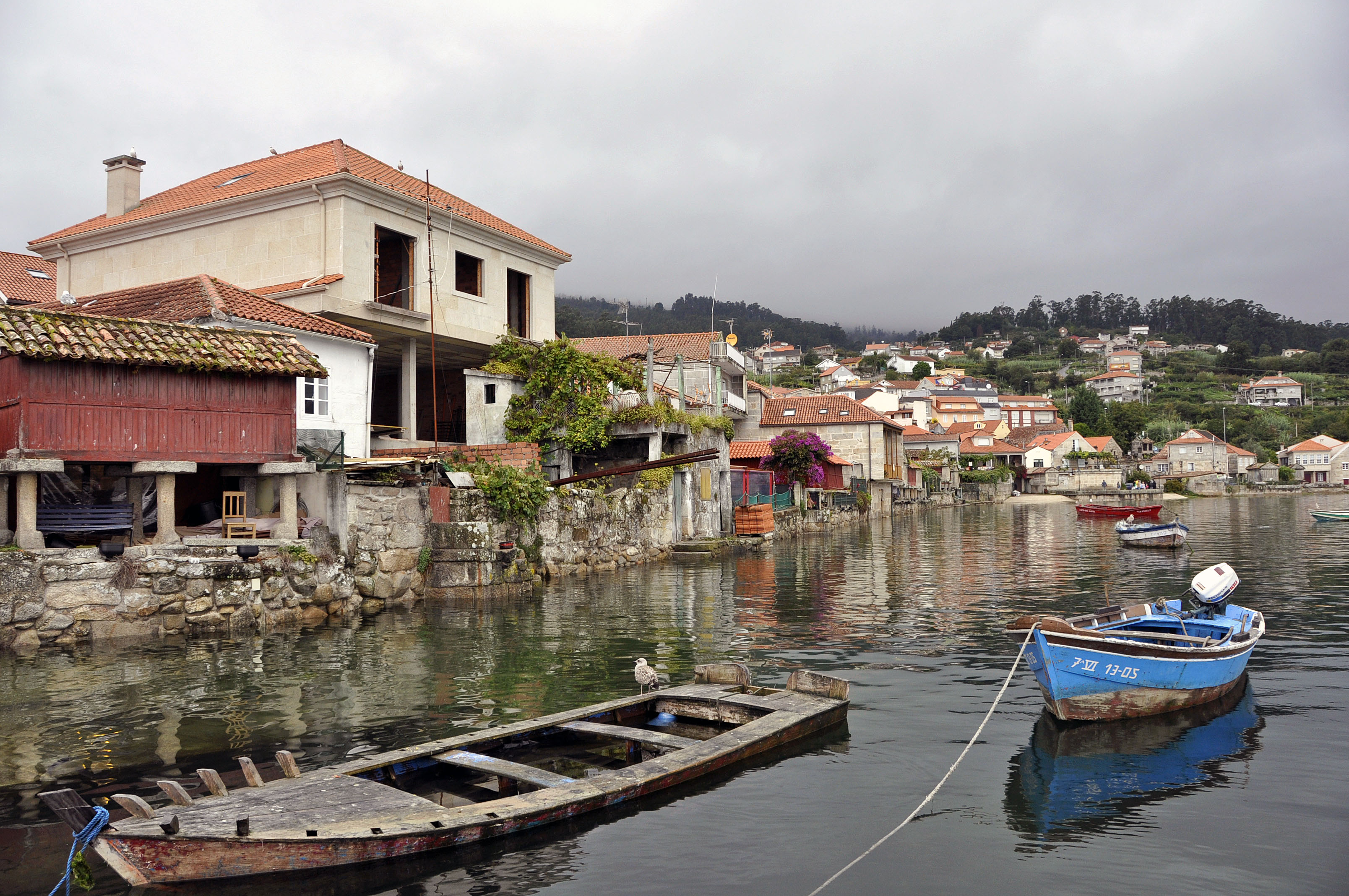
Combarro
Combarro is definitely a place that stays in your mind. You remember a foggy and rainy morning, this peaceful place in the middle of nowhere, women collecting mussels and other shells, flavours of the local delicacies such as vieiras, zamburrinas or queso de tetilla (local cheese) . It is a place for everyone who wants to run away from the hectic pace of the world, relax and, as the famous Polish song says “stop the world today and get off”… Combarro is a perfect spot to get off this “speeding bus” of our everyday lives.
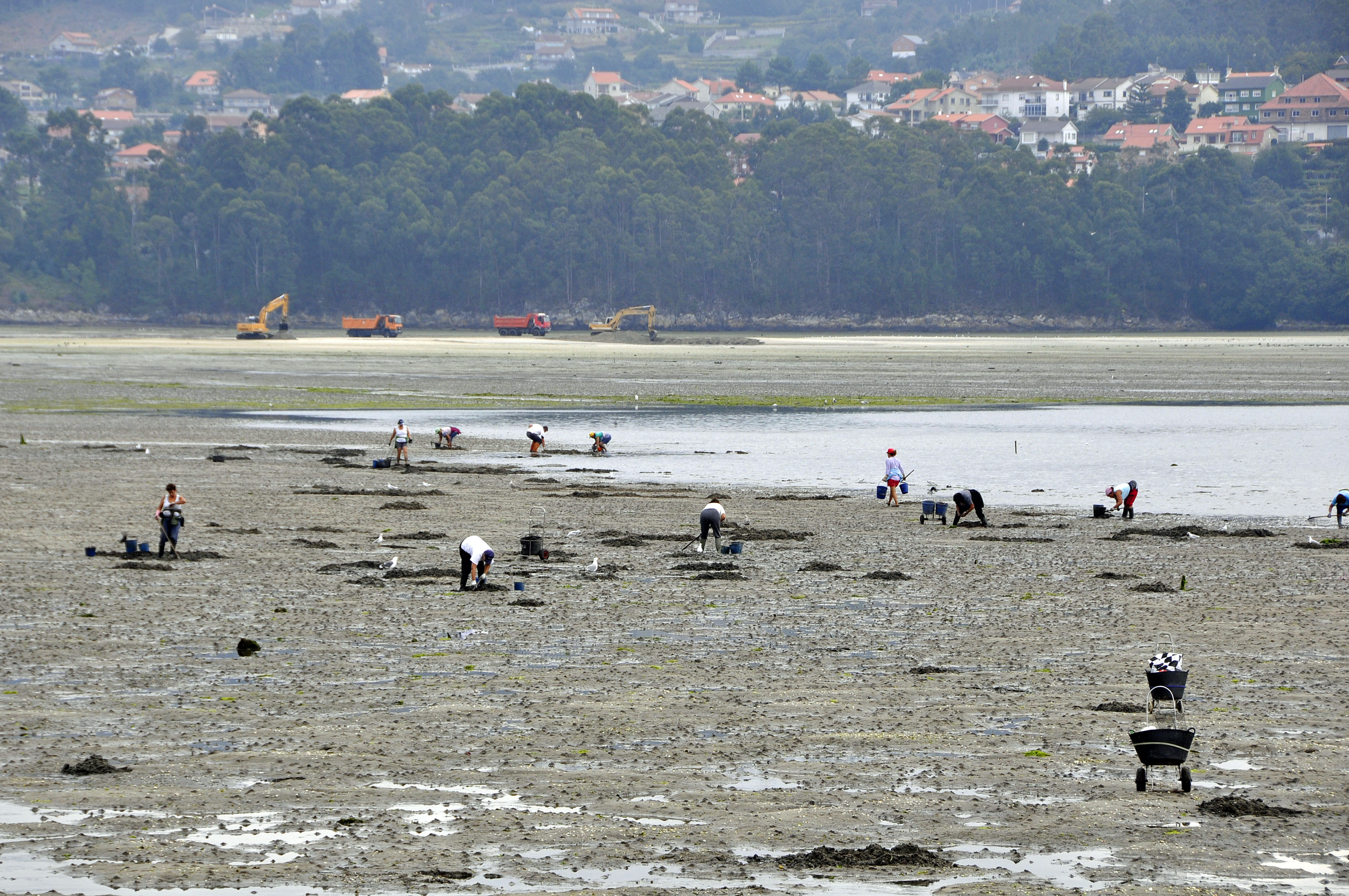
A morning in Combarro
When you go for a walk, it’s a good idea to head to a small square close to the river. At night, nearby restaurants put their grills outside and chefs prepare meals just next to your table! Grilled sardines, octopus and other specialties — we tried them all:
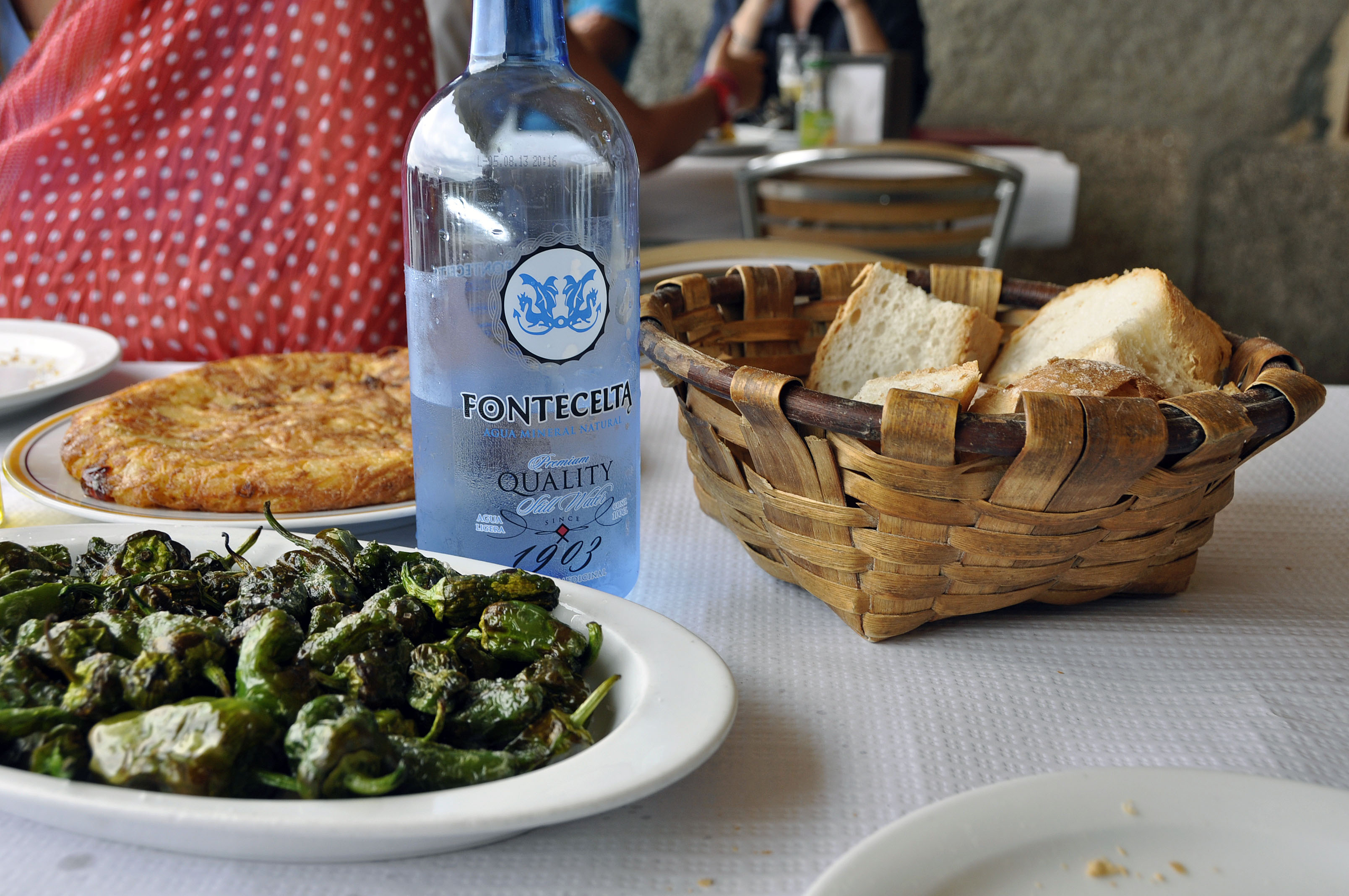
Pimientos de padron, and in the background the basis of Spanish cuisine — tortilla de patatas
sardines, octopus (pulpo a las brasas), local seafood — vieiras (sea scallops) and zamburinas (bay scallops), green peppers pimientos de padron and Galician queso de tetilla, which had a texture of tasty cream cheese. It was excellent. For dessert we chose tarta de queso al horno, home-made cheesecake from the oven — very delicate and simple… totally different than our Polish one. If better? You’ll have to come here and try it yourselves 🙂
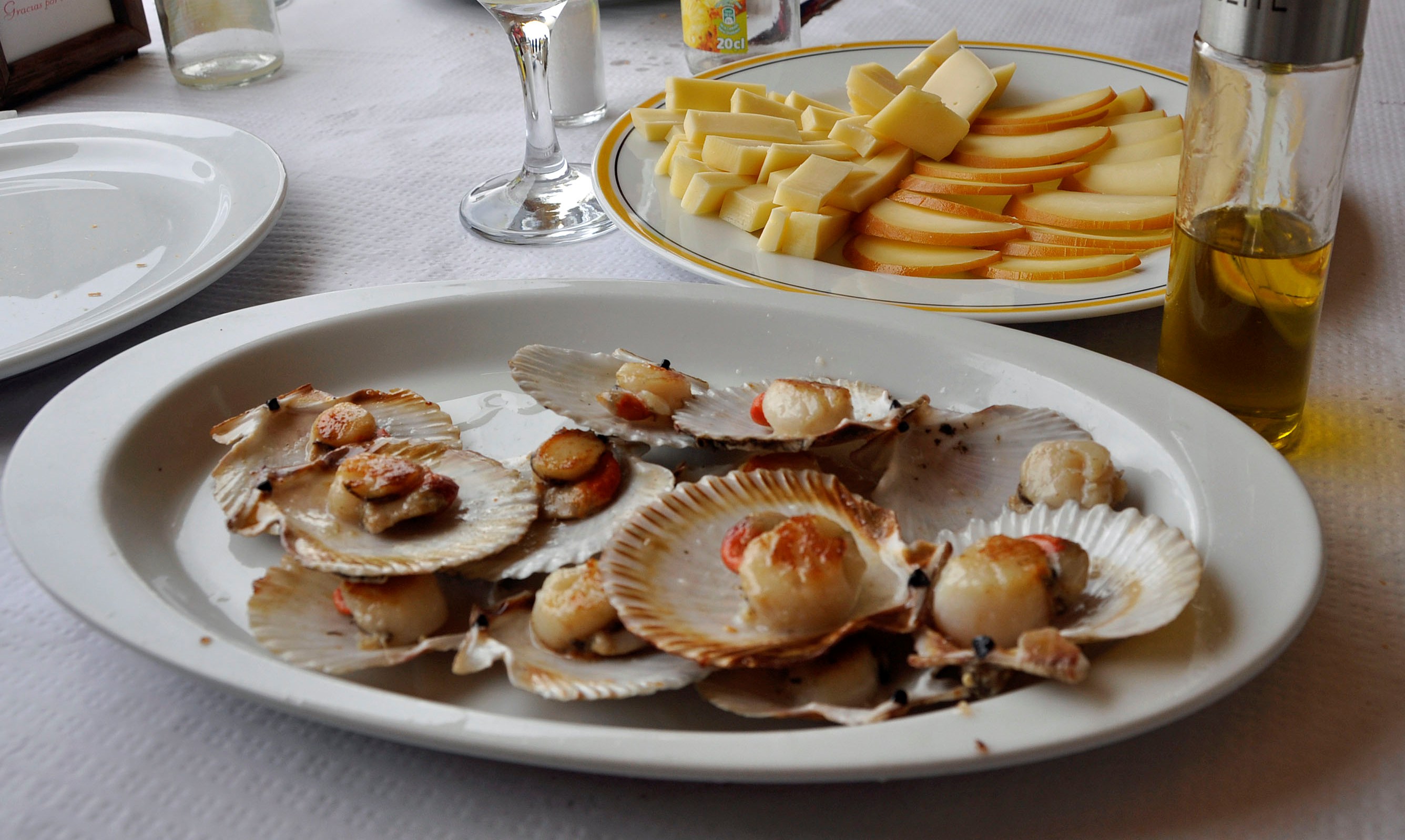
vieiras i queso de tetilla
Ewa, our friend who stayed with us in Galicia, fell in love (I think at the first sight) with the grilled octopus… this is how it looked before being cooked — the octopus, not Ewa 🙂
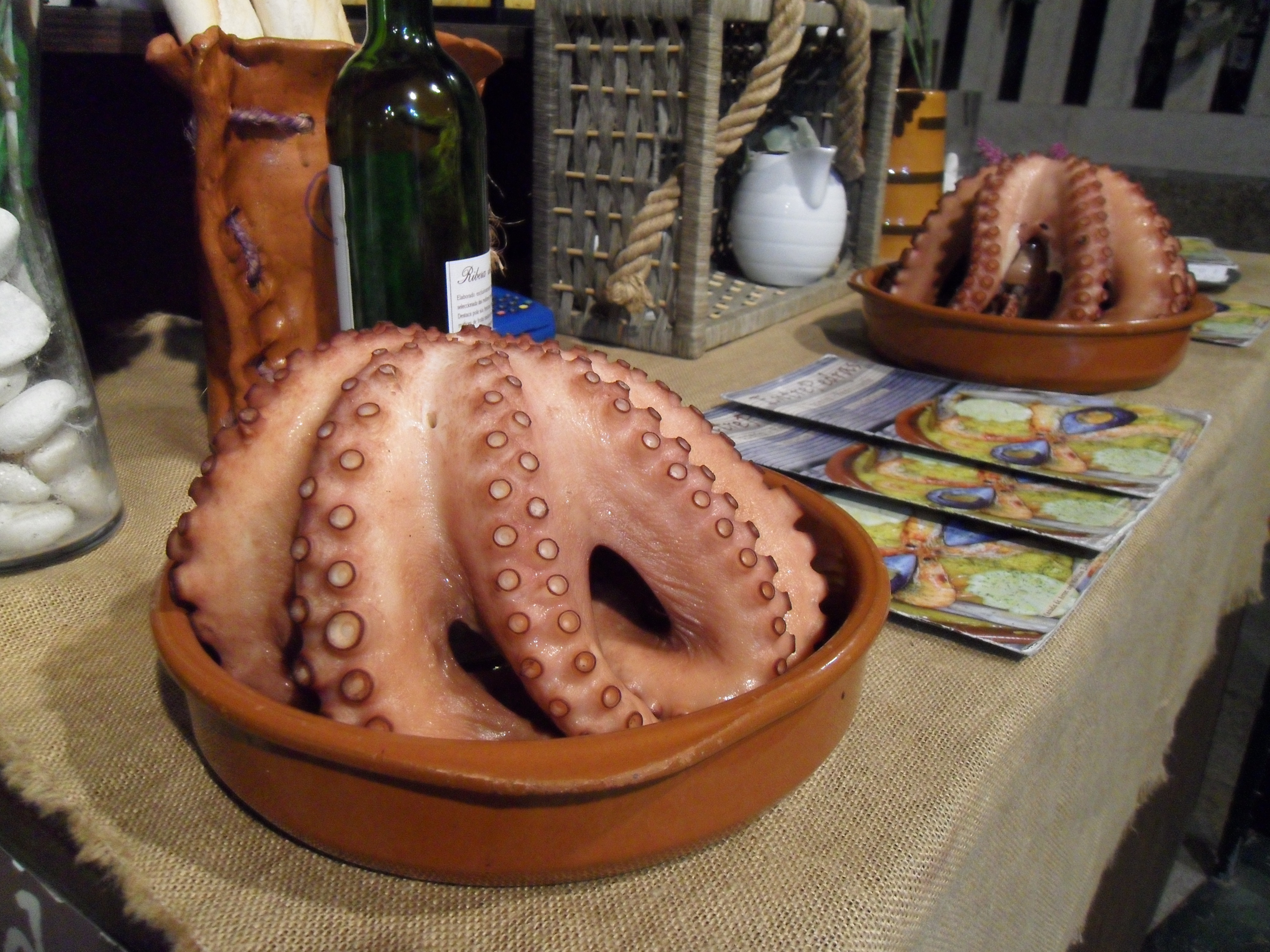
An octopus is waiting for us at Entre Pedras, in Combarro
Combarro was the last stop on our route in the north of Spain. Later, we went to Portugal, southern Spain, Genoa, Vienna and finally the region of Moravia… I will tell you all about it later! And now? I’m planning a new route, we’re packing and booking hotels because next Friday we’re off to Tuscany and Umbria. Only for a couple of days but still a quick overview is better than nothing 🙂

6 Comments
Beata Kurgan-Bujdasz
coraz bardziej chcę do Warszawy 🙂 Czy można wynająć mieszkanie np na miesiąc? Orientujesz się może? Czy raczej ludzie nie chętnie tak wynajmują. Taniej by wyszło niż standardowe noclegi w hotelach czy hostelach 🙂
Natalia - tasteaway.pl
Hey Beata! Wybacz, że dopiero teraz, ale najpierw było przewyjazdowe pakowanie, a teraz Kreta i Internet,ktory non stop się włącza i wyłącza :/Myślę, że może być ciężko z mieszkaniem na miesiąc, ale można poszukać na Booking jakichś apartamentów czy coś i zobaczyć czy jest opcja na dłużej… kiedyś Łukasz tak wynajmował mieszkanie (kawalerkę) na dni, ale obecnie już ma lokatorów na stałe. A Warszawa latem jest super!! 🙂
Natalia - tasteaway.pl
Basia ma niezły pomysł 🙂
Beata Kurgan-Bujdasz
dzięki
Basia
Można spróbować w domCh studenckich, na wakacjach można tam spokojnie wynająć pokój 🙂
Beata Kurgan-Bujdasz
dzięki będę szukać 🙂