


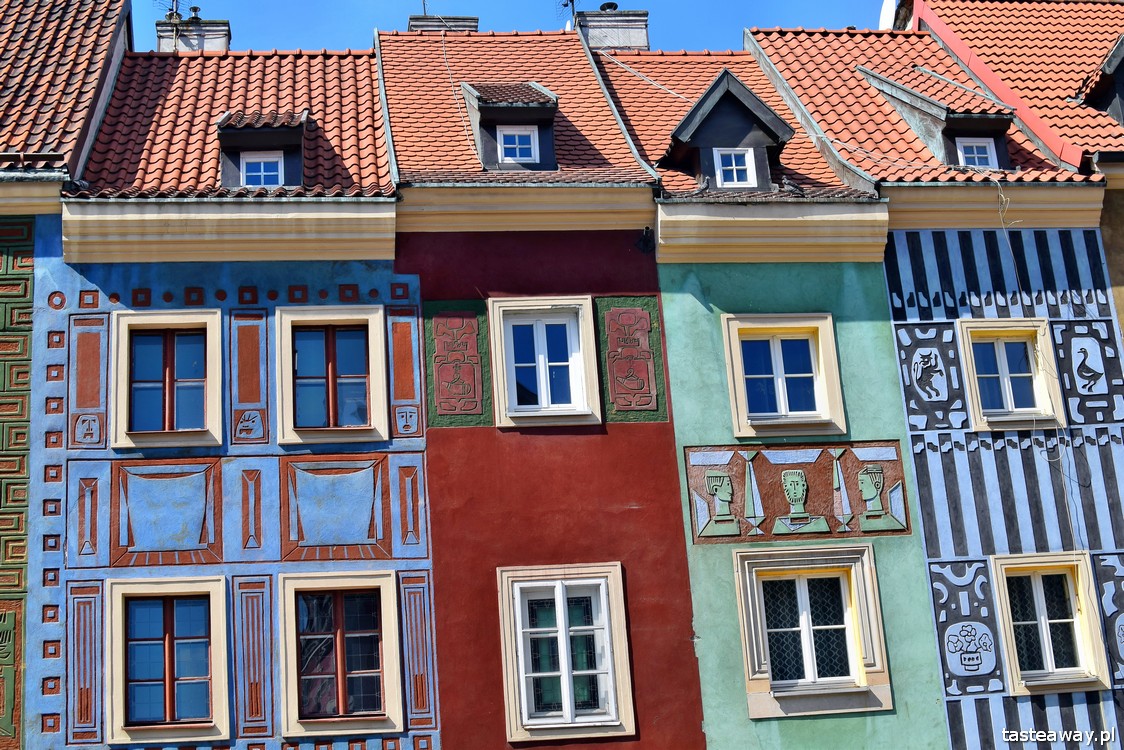
I have to admit that Poznań was a charming and impressive place to visit. It’s not like we didn’t know it. I’ve been to Poznań on numerous occasions and I usually only saw the railway station and the road on from the station to focusarium (for those feeling confused: a place where market research is conducted on a so called focus group;)) while riding a taxi and the road back. I also had friends in Poznań which brings more memories – a Mexican restaurant, Spanish tapas, walks around Malta, going partying and Zielona Weranda which was already stunning in 2008! Now we’re finally staying in Poznań for a little longer (yet still too short!) and I finally can indulge myself with tiny alleys, colourful buildings by the market square and finally feel the city.
It’s a pity we have to leave, because there’s still so much to see and… to eat. Poznań is a great idea for a regular or extended weekend. Train trip from Warsaw takes just 2.5 hours and we arrive in Poznań on Thursday evening. I have the feeling that it is a good place both for those travelling alone, wanting to get crazy in the city as well as those who are travelling with a child. Maks was amazed with the weekend and we all know that he’s already been here and there 😉
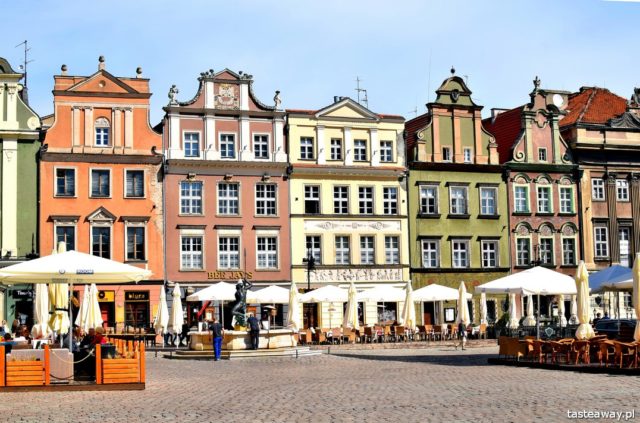
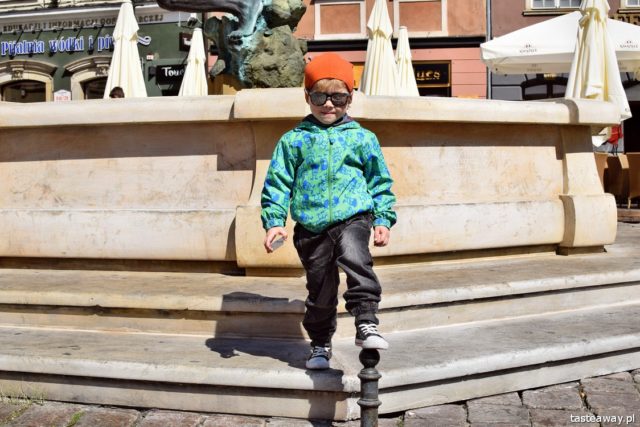
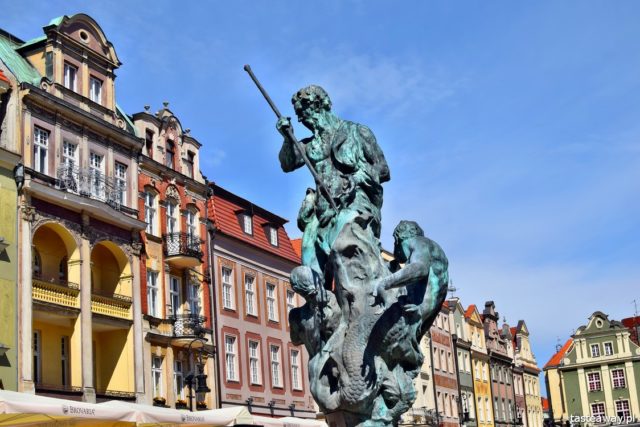
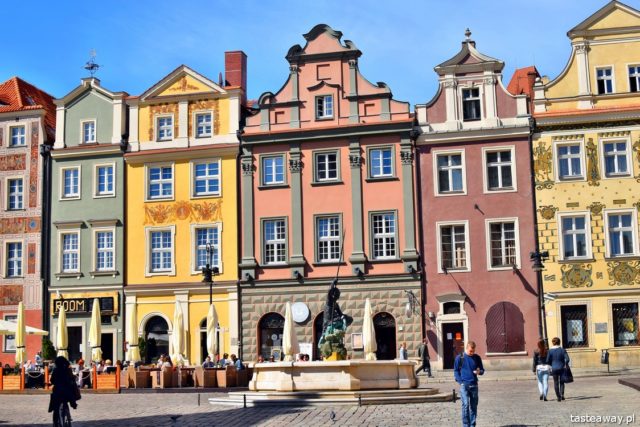
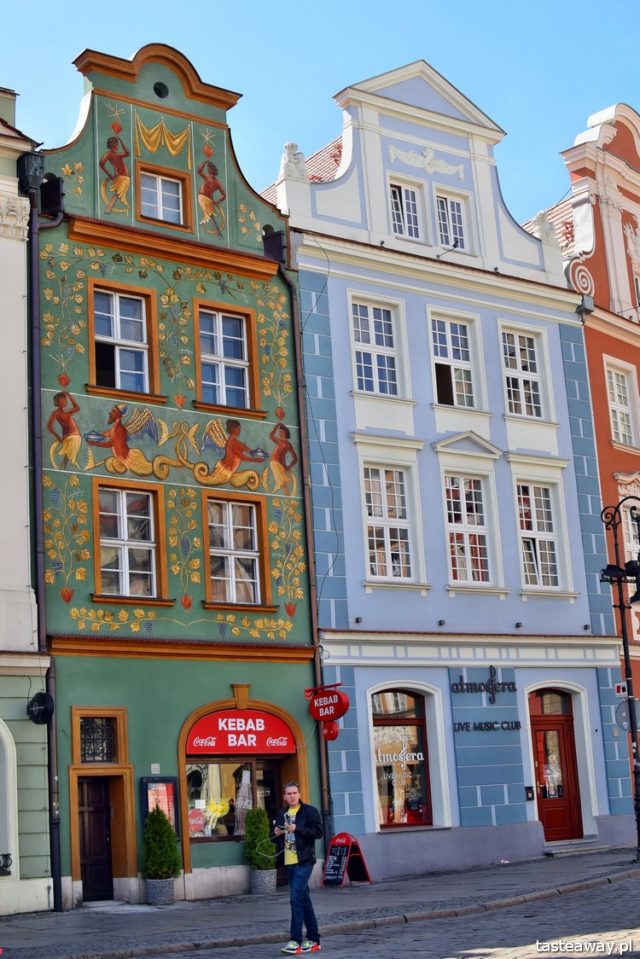
Our stay in Poznań obviously started in the old town. It’s beautiful and lively. We’re staying at the corner of ul. Wroniecka and ul. Stawa ((Puro Hotel Poznań – highly recommended!) and we’re close to pretty much everything. We start with Old Market Square, colourful tenement houses, City Hall and beautiful Budnicze Houses which used to be merchants’ stores and homes. Maks loved fountains and …chasing pigeons. As usual he found himself something unusual to do – searching for various figurines that found their place on fountains and buildings – like saint John the Nepomuk, patron protecting citizens from floods.
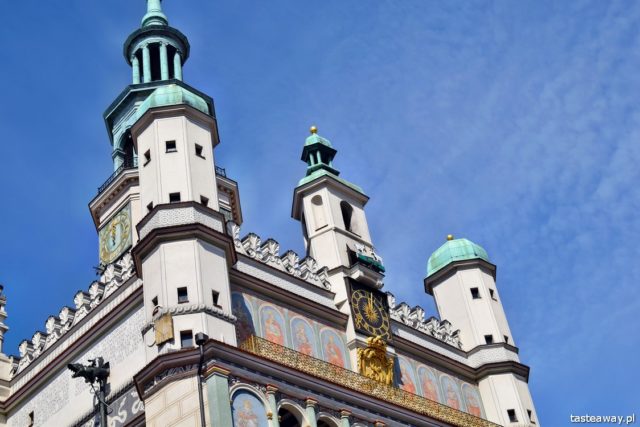
At noon, we have to stop before the renaissance City Hall from 16th century in order to see fighting goats – the symbol of Poznań and one the kids’ attractions. The goats show up on the tower every day and hit their heads 12 times. Their presence is next to the clock is sourced in a legend in which real goats who were scared of being roasted, run away to the tower, got frightened and started fighting head to head. To commemorate this event, the mayor ordered a clock mechanism with goats in it. The City Hall itself, houses the Museum of the History of Poznań but as we came for a culinary tour, we’re planning to visit a different kind of a museum. What museum? You’ll learn in a minute!
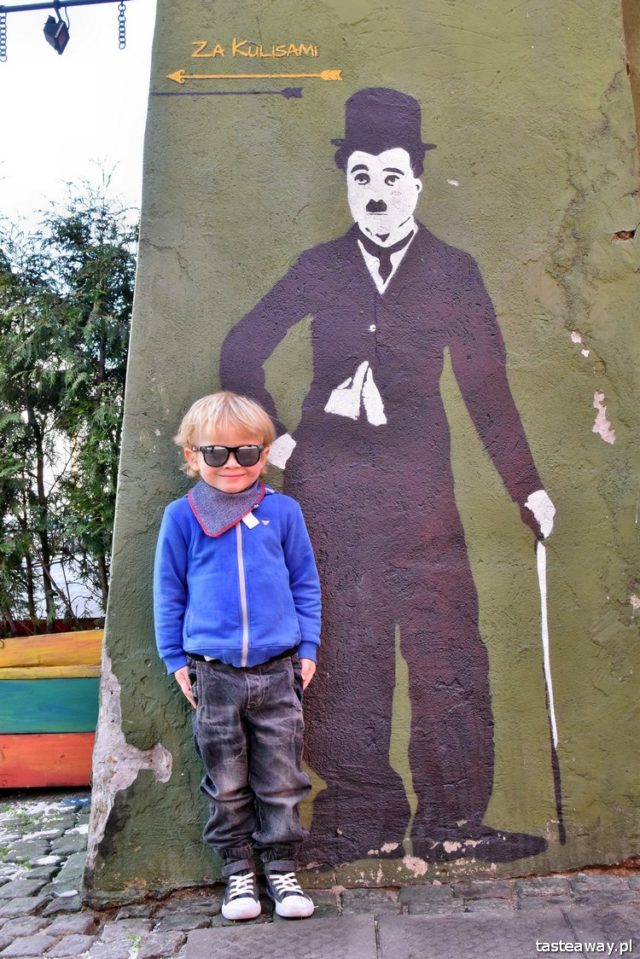
We’re hanging around the tiny alleys for a little while and Maks examines every rock thoroughly, looks for holy figures, poses with goats and… Charlie Chaplin.
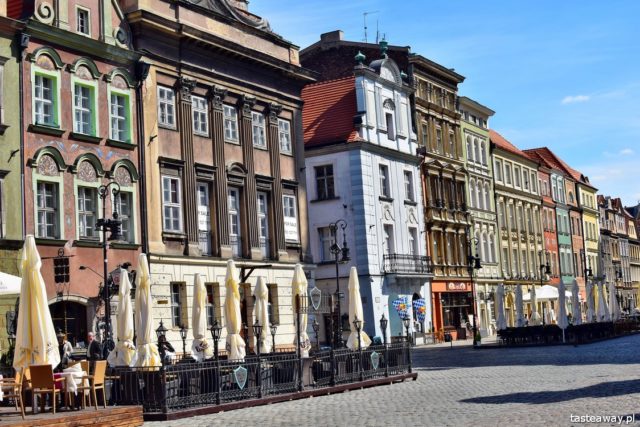
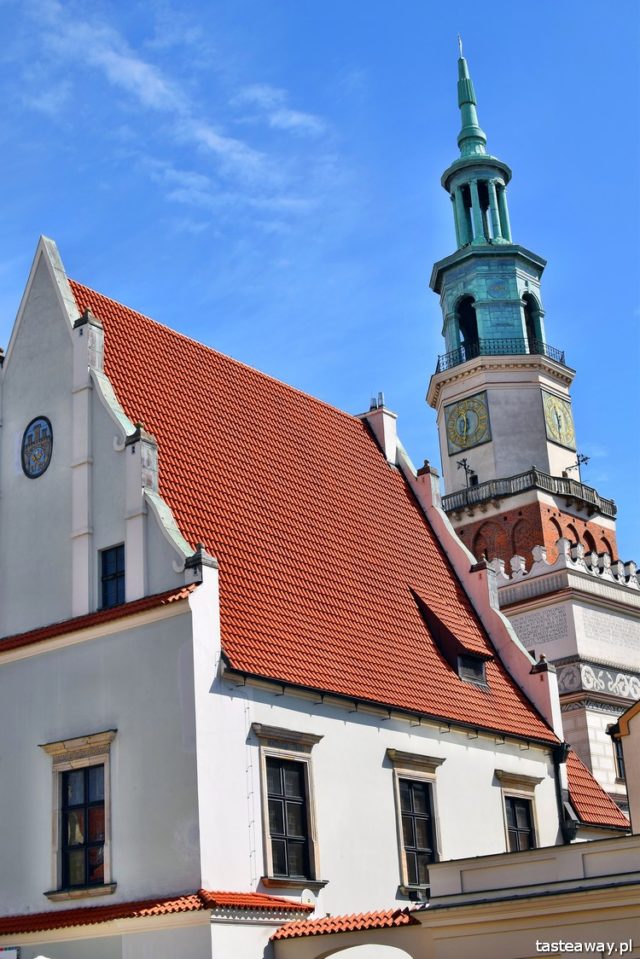
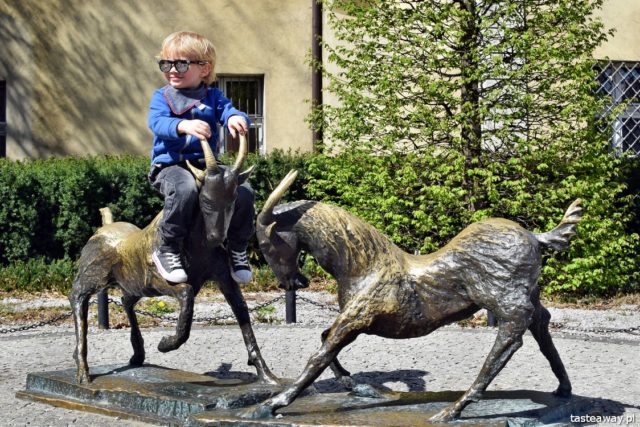

We head to Kolegiacki Square which looks very sleepy before noon. A perfect place for a coffee, but we’re in a hurry since we have a meeting set at Poznan Croissant Museum.
If you’ll ever get close to Poznań’s market square, be sure to drop by! You will find it in one of the most antique of Poznań’s tenement houses right in front of City Hall’s goats (entrance is on the other side). Have you ever tried St Martin Croissants? I haven’t or maybe I have but purely accidentally and I don’t remember much. Right now, being in Poznań, I just cannot leave without giving them a try.
W muzeum można dowiedzieć się więcej o historii rogali świętomarcińskich, zobaczyć, jak się je robi i z czego powstaje pyszne nadzienie. Pokazy są ciekawe i interaktywne, zwłaszcza, że prowadzący wydają się być dobrani idealnie, a swoje opowiadania ubarwiają poznańską gwarą. Jeśli będziecie mieć szczęście, dostaniecie fartuch i kucharską czapką i sami będziecie uczestniczyć w przygotowywaniu rogali. Pokazy odbywają się od wtorku do niedzieli o 12.30, 13.45 i 15.00. Trwają około 45 minut. Dla grup organizowane są również pokazy o 9.00 czy 10.00. Cena biletu wraz z degustacją to 12 zł dla dzieciaków w wieku 3-16 lat oraz 14 złotych dla osób powyżej 16 roku życia.
In the museum, you can learn about the history behind St Martin croissants, see how they make them and what makes the filling so delicious. The presentations are intriguing and interactive, especially with the masters of ceremony being perfect and speaking partly in Poznań’s local dialect. If you’re lucky, you’ll get an apron and a chef’s hat and get the opportunity to make your own croissants. The presentations take place between Tuesday and Sunday at 12.30, 13.45 and 15.00. They take about 45 minutes. There are also presentations for organised groups – at 9 or 10 am. Ticket price (with tasting included)
In accordance with the legend of St Martin the croissants are in horseshoe shape. In Wielkopolska St Martin Croissants have been baked for the last 150 years and approx. 100 confectioneries in the area have a proper certificate which allows them to produce the croissants. Citizens of Poznań say that it’s best to try croissants from a selection of confectioneries and choose your favourite. It’s also a good way to see Poznań’s old town – one croissant here, one there etc. Croissant preparations take a while – a layered Danish pastry, amazing filling from white poppy seed, nuts (peanuts or walnuts), biscuit crumbs, eggs, orange zest and almond essence, all rolled into a horseshoe shape with ‘glanz’ (icing) and nuts on top. You will find St Martin croissants in Wielkopolska only since they’re a registered local product protected by UE’s ‘Protected Designation of Origin’ certificate. Therefore be sure to try them on your visit to Poznań!
The other advantage of Croissant Museum was the opportunity to learn a bit of Poznań’s dialect. Where else could we learn who gzuby, szczuny and mele are?? Do you know? 🙂 Do you ever travel bimba or bana? Do you use a tytka? 🙂

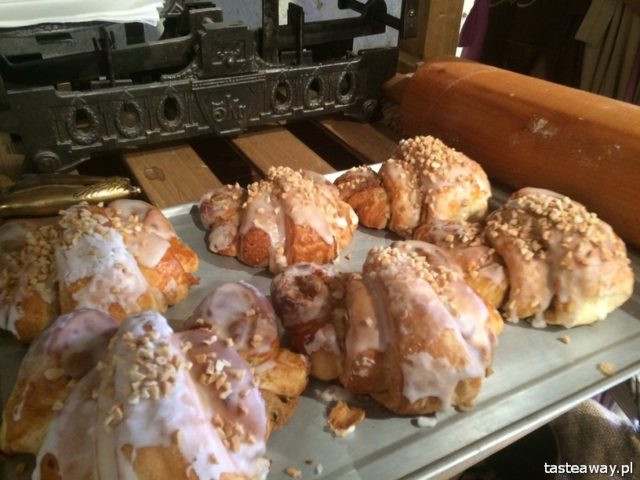

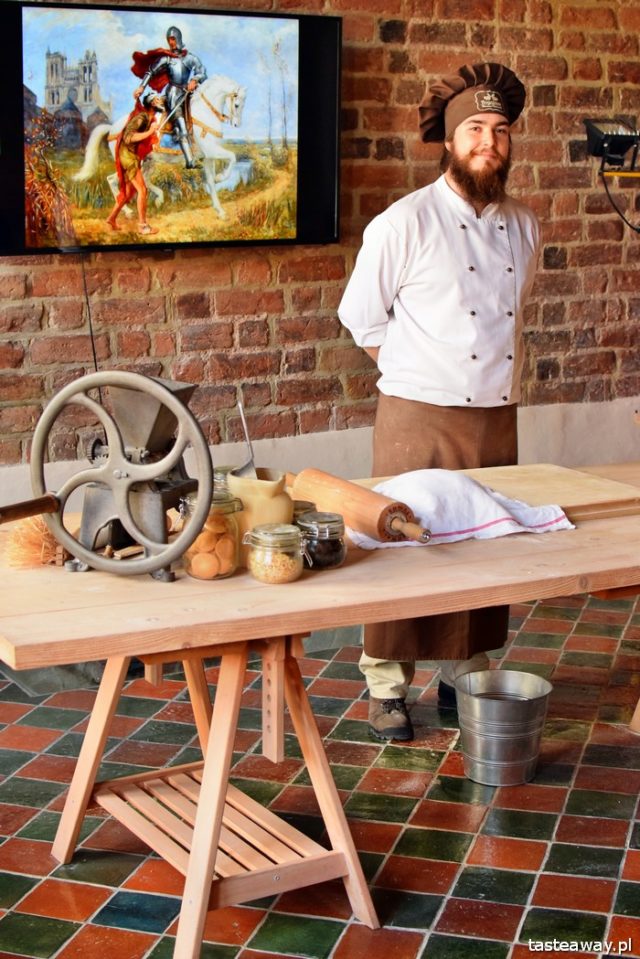
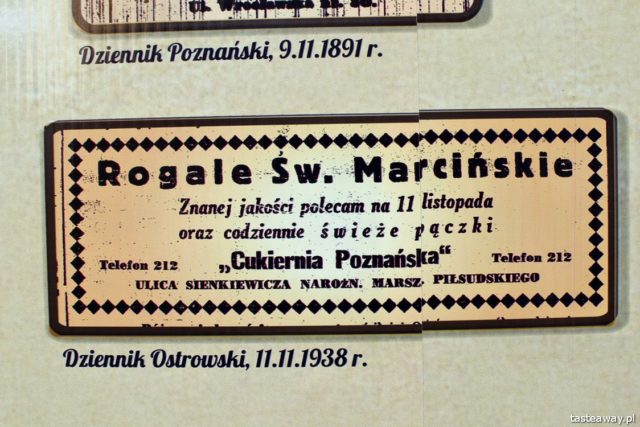

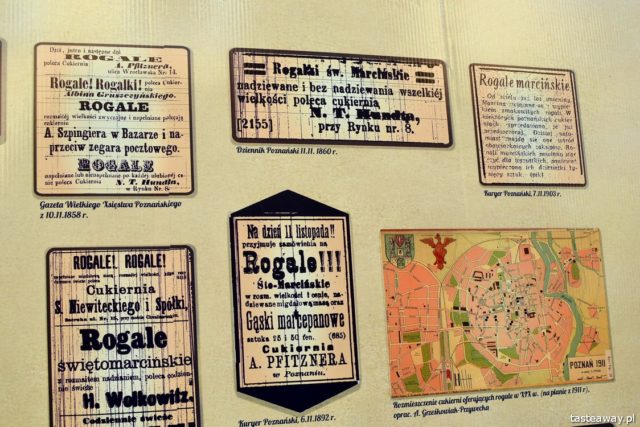
Poznan Croissant Museum was first of the child-appealing attractions. The fact that the kids could take part in dough preparations, filling the croissants or adding the nuts helped even more. A perfect place to visit with a toddler! Maks liked making croissants much more than he liked goats on the City Hall tower 🙂 After the presentation he complained to his grandmas: ‘they didn’t pick me for cooking and it made me angry’ – well that’s what you get when you attend a presentation along with a class of 8-year-olds.
After the presentation, we gave the croissants a try (Museum orders them from Fawor confectionery that was established in 1908) – amazing! Then we quickly ran for lunch at Yeżyce Kuchnia. If you’re not sure if it’s the right place to go, read THIS.
* City of Poznań invited us for croissants and some sightseeing of the city.

0 Comments